

Look, we've all been there. You start with one cool Power Rangers figure or a single comic book, and suddenly your entire living space looks like a Toys "R" Us exploded. Collecting pop culture stuff is awesome, but it's easy to make mistakes that can cost you money, space, and even damage your prized possessions.
After years of watching collectors (and making plenty of mistakes ourselves), we've identified the seven biggest blunders fans make with their collections. The good news? They're all fixable.
Mistake #1: Storing Everything in Direct Sunlight
This is the number one killer of collectibles, and it happens way too often. You finally score that vintage Megazord or limited edition Spider-Man statue, and you proudly display it on the windowsill where everyone can see it. Six months later, the colors are faded and the plastic looks chalky.
The Fix: Keep your collection away from windows and direct sunlight. UV rays are brutal on action figures, posters, and especially boxed items. If you must display near a window, invest in UV-protective glass or film. Your future self will thank you when your stuff still looks pristine.

For valuable pieces, consider displaying them in a room with controlled lighting. LED lights are your friend, they don't emit UV rays and they run cool, which brings us to our next mistake.
Mistake #2: Ignoring Temperature and Humidity
Your basement might seem like the perfect storage spot, but if it gets damp or swings between hot and cold, you're setting yourself up for disaster. Mold, warping, and deteriorating materials are all consequences of poor climate control.
The Fix: Keep your collection in a climate-controlled space. Aim for around 65-70°F with 40-50% humidity. If you're storing comics or paper goods, this is especially critical. Invest in a dehumidifier for basement storage, and never store anything in an attic that gets scorching hot in summer.
Sealed bins can help, but make sure whatever you're storing can breathe a little. Completely airtight containers can sometimes trap moisture inside.
Mistake #3: Buying Without a Focus or Plan
We get it. That new Marvel Legends figure looks incredible. So does that Star Wars Black Series character. Oh, and there's a sale on retro Power Rangers toys. Before you know it, you've spent $500 and have no coherent collection: just random stuff everywhere.
The Fix: Pick a lane, at least to start. Focus on one franchise, one character, one era, or one type of collectible. This doesn't mean you can't branch out later, but having focus helps in several ways:
- You become knowledgeable about your niche
- You can spot good deals and fakes more easily
- Your collection tells a story instead of looking like a random toy pile
- You save money by passing on impulse buys

It's totally fine to have multiple collections, but treating each one with intention makes the whole experience more rewarding.
Mistake #4: Tossing the Packaging
Look, we understand the temptation. You want to free that action figure from its plastic prison and actually enjoy it. But here's the truth: original packaging dramatically affects resale value and long-term preservation.
The Fix: You don't have to be a "mint in box" collector, but at least keep the packaging. Flatten boxes carefully and store them in labeled bags or bins. If you open toys, keep all the accessories, inserts, and twist ties organized.
For high-value items ($50+), seriously consider keeping them sealed. The market for mint condition collectibles remains strong, and you'll have options down the road if you need to sell or trade.
If you absolutely must display items out of box, keep the packaging in good condition. A complete item with box can be worth 2-3 times more than the same item without it.
Mistake #5: Overcrowding Your Display Space
More isn't always better. When you cram every shelf with figures, stack boxes three-deep, and cover every surface, nothing gets the attention it deserves. Plus, overcrowding makes dusting nearly impossible and increases the risk of damage.
The Fix: Rotate your display. Keep your favorites or seasonal items on display, and properly store the rest. This approach has multiple benefits:
- Each piece gets proper appreciation
- Less dust accumulation
- Easier to clean and maintain
- Your collection feels fresh when you swap things out
- Reduced risk of accidental damage
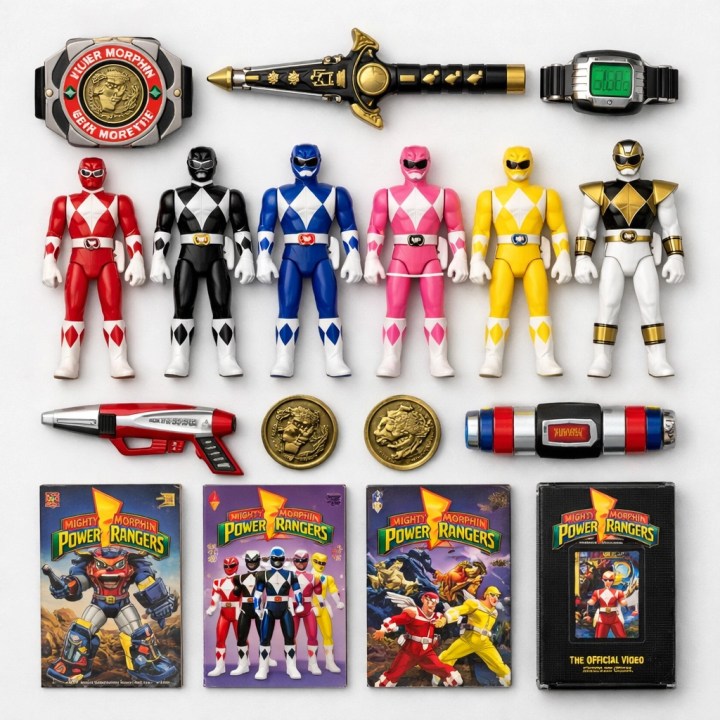
Think of your display like a museum exhibit. Give each piece some breathing room. Use risers to create levels and visual interest. Your collection will look more impressive with 20 well-displayed items than 100 crammed together.
Mistake #6: Not Keeping Track of What You Own
Once your collection reaches a certain size, it's easy to forget what you have. This leads to buying duplicates, not knowing what needs upgrading, and being unable to properly value your collection for insurance purposes.
The Fix: Create a simple inventory system. This doesn't need to be complicated:
- Use a spreadsheet or apps like CLZ Comics, Collectibles, or even a simple Google Sheet
- Take photos of everything
- Note purchase price, date, and condition
- Track where items are stored
- Update when you buy or sell
This might seem tedious, but it pays off. You'll know exactly what you have, what you've spent, and what you might want to sell or trade. Plus, if disaster strikes (theft, fire, flood), you'll have documentation for insurance claims.
Mistake #7: Skipping Insurance on Valuable Collections
Here's an uncomfortable truth: your homeowner's or renter's insurance probably doesn't fully cover your collection. Most policies have limits on collectibles, and proving value after a loss can be nightmare without proper documentation.
The Fix: Once your collection exceeds a few thousand dollars in value, talk to your insurance agent about a collectibles rider or separate policy. Companies like Collectibles Insurance Services specialize in this and offer reasonable rates.
Document everything with photos and receipts. Keep this documentation somewhere safe (cloud storage is ideal). Update your inventory and insurance coverage annually as your collection grows.

It might seem like an unnecessary expense until something happens. Water damage, theft, or natural disasters don't care how much you love your Power Rangers collection.
Bonus Tips for Long-Term Success
Beyond avoiding these seven mistakes, here are a few additional tips that separate casual collectors from serious curators:
Buy quality over quantity. One excellent piece beats ten mediocre ones every time.
Join collector communities. Online forums, Facebook groups, and local collector meetups provide knowledge, trading opportunities, and friendship.
Learn to spot reproductions and fakes. As collections become more valuable, counterfeiters get more sophisticated. Educate yourself on authentication.
Handle items carefully. Clean hands, gentle touch, proper support when moving pieces. Treat everything like it's more fragile than you think.
Think long-term. Trends come and go, but collections built with passion and care hold value in multiple ways beyond dollars.
The Bottom Line
Collecting pop culture memorabilia should be fun, not stressful. By avoiding these common mistakes, you'll protect your investment, maximize your enjoyment, and build a collection you're genuinely proud of.
Start by picking one or two mistakes from this list that you're guilty of and commit to fixing them this month. Your collection doesn't need to be perfect: it needs to bring you joy while being properly cared for.
Remember, every serious collector made these mistakes at some point. The difference between a valuable, impressive collection and a cluttered mess often comes down to learning from these errors and taking action to correct them.
Now get out there and give your collection the care it deserves. Those Power Rangers aren't going to display themselves properly.