

Remember when superheroes wore bright colors and cracked jokes between punches? Those days feel like ancient history now. We're living in an era where every franchise gets the "dark and gritty" treatment, and honestly, it's become the default setting for Hollywood. But here's the thing, everyone's talking about this trend right now because we might be witnessing its death throes, and that's actually huge news for fans.
The Batman Effect That Changed Everything
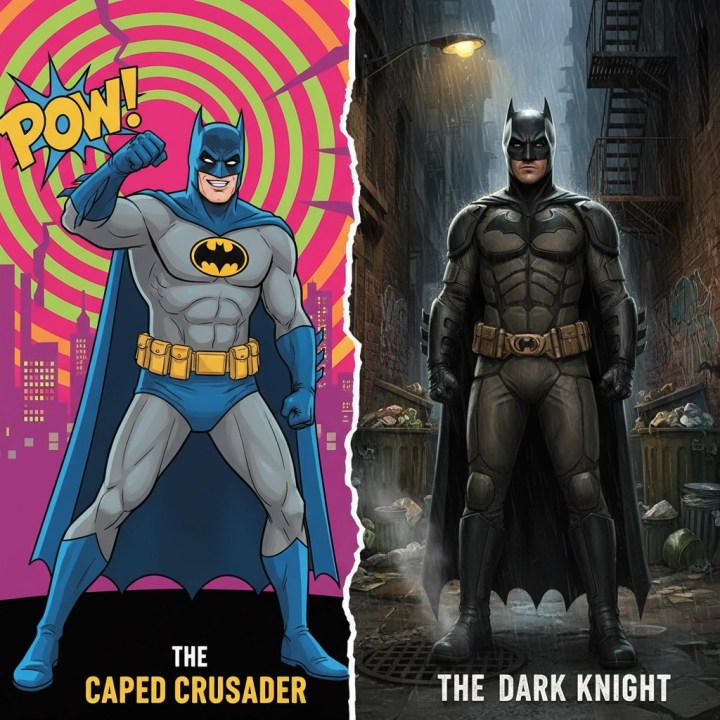
Let's rewind to 2005. Batman Begins hits theaters and completely flips the script on superhero movies. Gone were the campy one-liners and neon-bright costumes of the '90s Batman films. Instead, we got a grounded, realistic take that treated the source material with deadly seriousness. The movie was a massive hit, both critically and commercially, and Hollywood took notes, lots of notes.
Suddenly, every studio executive wanted their own "Dark Knight version" of existing franchises. David Goyer, who co-wrote Batman Begins, literally got invited to meetings where studios asked him to create darker versions of everything from Teenage Mutant Ninja Turtles to fairy tales. The message was clear: if it worked for Batman, it could work for anyone.
The Numbers Don't Lie
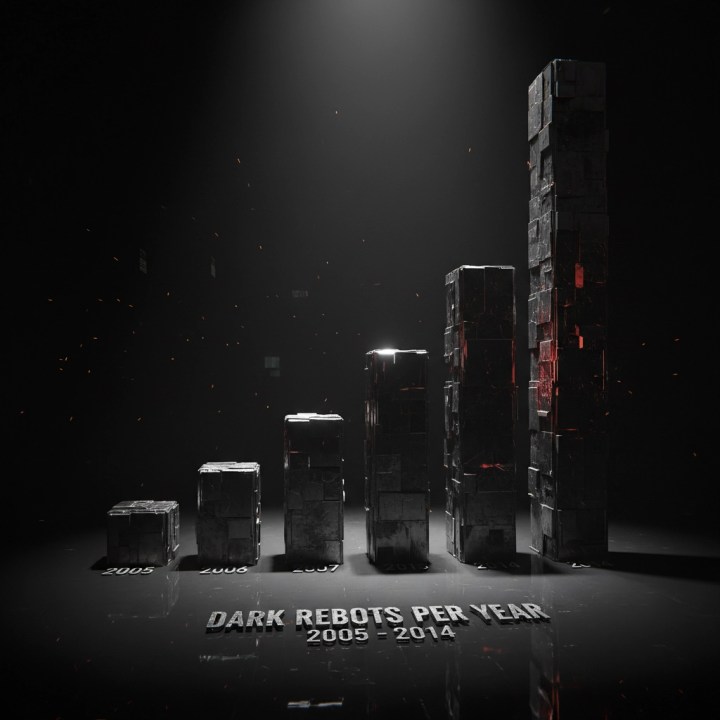
What happened next was nothing short of a cultural phenomenon. Over the span of 20 years, Hollywood produced over 102 dark and gritty reboots. Yes, you read that right: 102. The peak came in 2014, which was basically the Mount Everest of grimdark entertainment. That single year gave us darker versions of Transformers, Spider-Man, Captain America, plus reboots of Sleeping Beauty (Maleficent), Planet of the Apes, Godzilla, TMNT, and even Biblical stories like Noah.
Think about that for a second. We got two different dark Hercules movies in the same year. Two! If that doesn't scream "trend overdose," nothing does.
Why We Fell Hard for the Dark Side
But here's the real question: why did audiences eat this stuff up? The answer is surprisingly complex. These darker reboots served as a way to process real-world anxieties about terrorism, government surveillance, and general paranoia that defined the 2000s and 2010s. They made stories feel important and meaningful, transforming what were once dismissed as "kid stuff" into serious adult entertainment.
Remember how people used to roll their eyes at comic book movies? The dark and gritty movement changed that completely. Suddenly, superhero films were winning Oscars and dominating award season conversations. These reboots demanded to be taken seriously, and audiences responded by taking them very seriously indeed.
Power Rangers and the Franchise Revolution
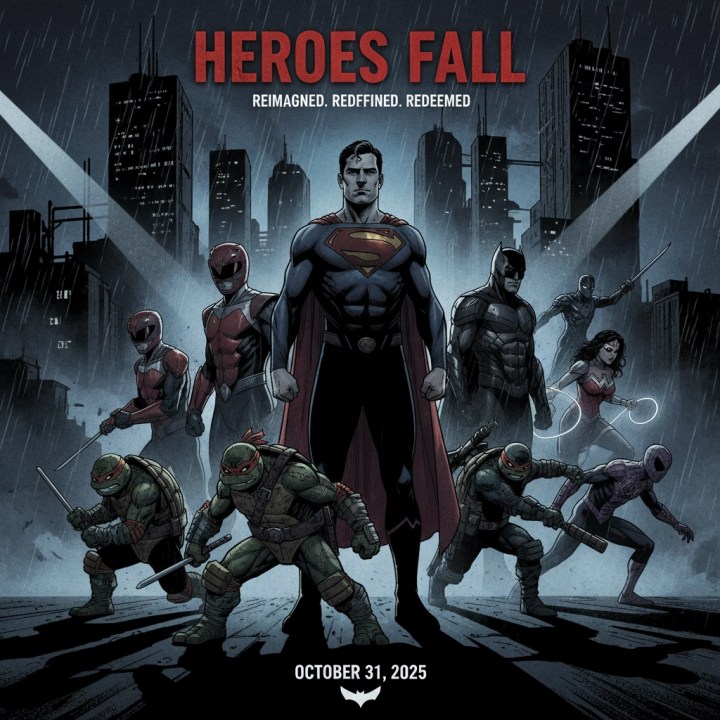
The trend didn't stop at traditional superheroes either. Even Power Rangers got the treatment with 2017's reboot, which traded the colorful, campy tone of the original series for a more grounded, character-driven approach. While it didn't quite capture the lightning-in-a-bottle success of The Dark Knight trilogy, it showed just how far-reaching this movement had become.
Other franchises followed suit. Star Trek went darker with the Kelvin timeline films. Superman became brooding and conflicted in Man of Steel and Batman v Superman. Even traditionally light-hearted properties like Teenage Mutant Ninja Turtles couldn't escape the gravitational pull of grimdark storytelling.
The transformation was so complete that an entire generation of fans grew up thinking this was just how superhero stories were supposed to be told. Bright colors? Silly. Jokes during fights? Unrealistic. Hope and optimism? Naive.
The Backlash Builds
But here's where things get really interesting: we're starting to see the pendulum swing back. Audiences are experiencing what many critics call "grimdark fatigue." The novelty of seeing beloved characters suffer through increasingly dark scenarios has worn thin for many fans. Social media is full of complaints about "millennial writing" (though that criticism often misses the mark) and calls for more sincere, earnest storytelling.
This backlash isn't happening in a vacuum. Marvel's shift toward more colorful, quip-heavy films with Guardians of the Galaxy and Thor: Ragnarok proved that audiences were hungry for something different. DC's course correction with Wonder Woman and Shazam! showed that even the grimmest cinematic universes could benefit from injecting some joy and wonder back into their stories.
The Cycle Continues
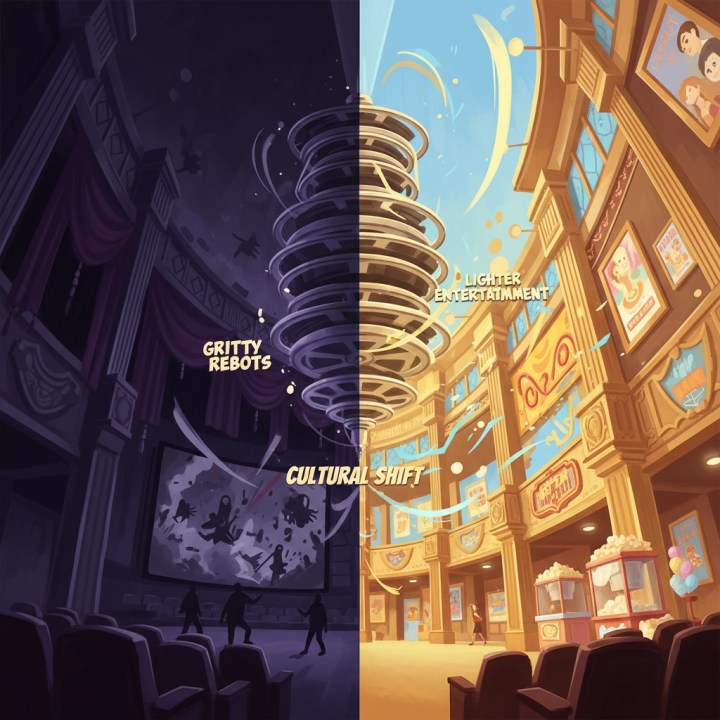
What makes this conversation so fascinating is that we're witnessing a natural creative cycle in real time. Just like film noir dominated the 1940s, or how grunge defined the 1990s, dark and gritty reboots have had their moment in the sun. But cultural trends are cyclical: what goes dark eventually comes back to the light, and vice versa.
Some industry insiders predict we're already seeing the next phase emerge. Films that embrace earnestness without irony, that celebrate heroism without cynicism, and that remember why we fell in love with these characters in the first place. It's not about abandoning complexity or mature themes: it's about finding balance.
What This Means for Fans Right Now
So why should you care about this shift? Because we're living through a pivotal moment in pop culture history. The next few years will likely determine the direction of superhero storytelling for the next decade. Major releases like Superman: Legacy, Fantastic Four, and the upcoming Daredevil series will serve as bellwethers for where the industry is heading.
For Power Rangers fans specifically, this trend could signal exciting possibilities. With the franchise's 30th anniversary generating renewed interest, there's potential for a new approach that learns from both the successes and failures of the past two decades. Maybe we'll get a version that captures the essence of what made the original special while still appealing to modern audiences.
The Real Question
The conversation around darker superhero reboots isn't really about whether dark or light storytelling is "better." Both approaches can produce incredible results when executed well. The real question is whether creators will learn from the past 20 years and find ways to tell stories that feel fresh and surprising, regardless of their tonal approach.
What we're witnessing now: this intense discussion about the future of franchise filmmaking: represents a rare opportunity for course correction. Studios are listening to audience feedback more carefully than they have in years, and that creates space for genuine innovation.
The next chapter in superhero storytelling is being written right now, and the choices made by creators and supported by audiences will shape entertainment for years to come. That's exactly why everyone's talking about it: and why you should be too.
Whether the future holds more darkness, more light, or something completely unexpected, one thing is certain: we're in for an interesting ride. And honestly? After 20 years of grimdark everything, a little uncertainty feels refreshing.